


Deck Flooring
What Is Deck Flooring
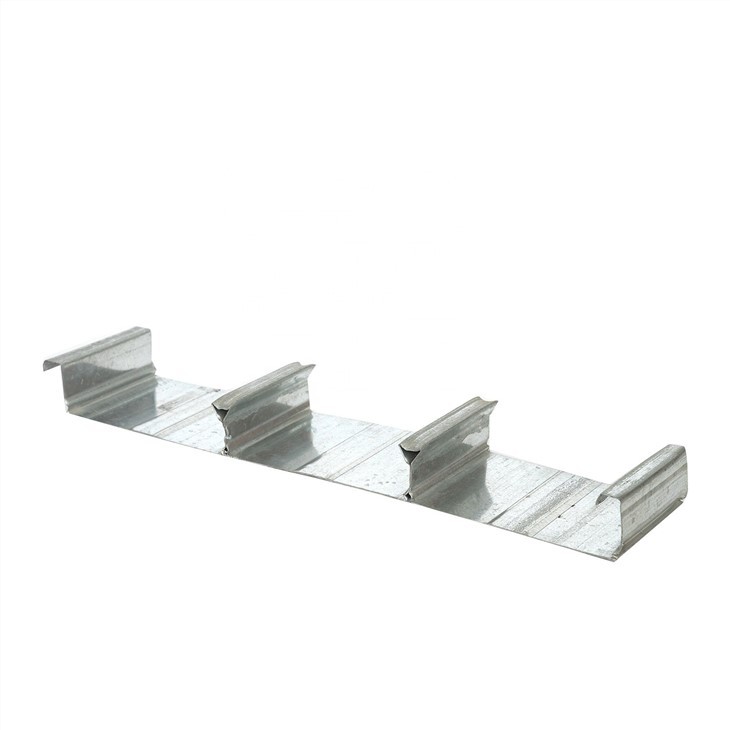
Deck flooring, often made from steel, is a structural material used to create composite floor systems in multi-story buildings, bridges, and various other construction projects. It typically consists of flat panels with corrugated or ribbed profiles, designed to provide strength, stability, and durability to the structure.
Benefits of Deck Flooring
Strength and Load-Bearing Capacity
Deck flooring is engineered to offer exceptional strength and load-bearing capacity, making it an ideal choice for high-rise buildings and heavy-duty infrastructure. Its structural integrity ensures that it can handle heavy loads and distribute them evenly, minimizing the risk of structural failure.
Fire Resistance
Safety is paramount in any construction project, and deck flooring excels in this aspect. Steel, the primary material used in deck flooring, is inherently fire-resistant. It doesn't burn, warp, or release toxic fumes, making it a reliable choice for fire-prone areas or buildings where fire safety is a priority.
Speed of Construction
Deck flooring is known for accelerating the construction process. Its panels are pre-fabricated and can be easily installed, reducing on-site labor time. This not only helps in meeting tight project deadlines but also minimizes disruption to the surrounding environment.
Cost-Efficiency
While the initial cost of deck flooring be slightly higher than traditional materials, its long-term benefits more than make up for it. Its durability, low maintenance requirements, and reduced need for future repairs or replacements can lead to significant cost savings over the life of the structure.
Versatility and Flexibility
Deck flooring offers architects and designers greater flexibility in designing spaces. Its versatility allows for open floor plans and creative architectural elements, giving builders the freedom to bring their visions to life.
Sustainability
In an era where sustainable construction practices are paramount, deck flooring stands out. Steel is recyclable and can be repurposed, reducing the demand for new raw materials. Additionally, the efficiency in construction, reduced waste, and energy savings during the life of the building contribute to its overall environmental friendliness.
Acoustic and Thermal Properties
Deck flooring can enhance a building's acoustic and thermal performance. When used as part of a composite floor system, it can help dampen noise transmission between floors and improve energy efficiency by serving as a thermal barrier.
Longevity
Deck flooring durability and resistance to corrosion mean that structures built with it are likely to have a longer lifespan compared to those constructed with more traditional materials.


Why Choose us
Cutting-edge technology
We Have Excellent Teams Who Focus On Product Development & Design, Quality Control & Inspection And Company Running.
Quality Assurance
We can customize according to yourrequirements, and ensureproduct quality throughsystem technology test.
Expertise
Our team includes qualified and experienced professionals who are experts in their respective fields.
High-quality service
We deliver high-quality service, ensuring that our clients receive value for their investment.
A Closer Look At Deck Flooring Types
1.5" Deck Flooring: 1.5" composite floor deck is a versatile option suited for a range of applications where strength and minimized slab thickness are key considerations. It is often used in scenarios that demand a lightweight and tough flooring system, such as in mezzanine floors and walkways.
2" Deck Flooring: When projects require a tougher solution, 2" deck flooring steps up to the task. This profile's increased depth and strength make it ideal for applications like high-rise buildings, industrial projects, or any structure where higher load-bearing capacity would be needed.
3" Deck Flooring: For your most demanding applications, 3" deck flooring offers the ultimate structural support. With a deeper ribbed profile, this decking type is often the go-to option for projects that stipulate ultra-heavy load requirements, industrial environments with exceptionally high traffic areas.
Steel decking
Steel decking is the most prevalent and widely used type of deck flooring material. It is manufactured from high-strength cold rolled steel and comes in galvanized or painted finishes, increasing its resistance to corrosion and wear. For extremely corrosive environments, stainless steel finish is available.
Aluminum decking
Aluminum decking is valued for its lightweight nature, making it an ideal option for projects where weight reduction is critical. Although not as strong as steel, aluminum decking offers sufficient strength for many building applications.
Applications Of Deck Flooring


Commercial construction
In the realm of commercial construction, deck flooring plays a vital role, especially in high-rise buildings. Metal form (as well as composite) floor deck serves as a formwork system during the construction process, providing temporary support for concrete slabs. The corrugated or ribbed design of metal deck panels enhances the lateral support and stability of the structure. As each floor is completed, the deck flooring remains in place to become a permanent part of the building's structure, contributing to its overall strength and stability.
Industrial construction
In the industrial sector, metal roof decking finds extensive application in facilities such as warehouses, manufacturing plants, and distribution centers. These spaces require durable and strong flooring solutions to withstand heavy loads, machinery, and constant movement of goods. Deck flooring fulfills these requirements, providing a solid working platform that can support heavy equipment and machinery, while also withstanding the wear and tear associated with industrial operations.
Infrastructure projects
Deck flooring also finds applications in infrastructure projects, such as bridges and transportation structures. In these projects, deck flooring is used to create the formwork for concrete decks, providing a durable and stable base for the construction of these critical transportation links.
Sustainable rooftop gardens
Deck flooring can be incorporated into rooftop garden designs to create sturdy and lightweight platforms for planting beds and green spaces. The deck flooring durability and resistance to environmental elements make it an ideal choice for supporting the weight of soil, plants, and irrigation systems.
Mezzanine floors in warehouses
Mezzanine floors are commonly used in warehouses to maximize vertical space for storage and operational purposes. Deck flooring can be employed to create robust mezzanine platforms, providing additional levels without the need for extensive structural modifications.
Pedestrian bridges
For pedestrian bridges in parks, campuses, or urban areas, deck flooring offers an excellent combination of strength and design flexibility. Deck flooring panels can be used as the walking surface of the bridge, providing a safe and reliable pathway for pedestrians while incorporating creative patterns or artistic designs.
Composite floor systems in high-rise buildings
Deck flooring is often utilized in composite floor systems, where it works together with concrete to create efficient and robust floor structures. The deck flooring acts as a formwork during concrete pouring and subsequently becomes the bottom reinforcement of the concrete slab.
Acoustic paneling
Deck flooring and siding can be creatively integrated into building interiors as acoustic paneling to improve sound absorption and reduce noise transmission. By perforating or incorporating sound-absorbing materials into the metal deck panels, architects can create aesthetically pleasing surfaces that enhance acoustic performance in public spaces, conference rooms, or auditoriums.
Sustainable pedestrian walkways
In outdoor settings such as parks, nature reserves, or boardwalks, metal roof decks can be used to construct elevated pedestrian walkways that minimize disruption to the natural environment.
Vehicle bridge decks
Deck flooring materials can be employed in the construction of vehicle bridge decks, providing a durable and cost-effective solution for road and highway infrastructure.
Greenhouse flooring
Metal decks can be utilized as the flooring material in greenhouse structures, offering a strong and stable foundation for supporting plant beds and cultivating various crops. The elevated platform provided by deck flooring improves air circulation and drainage, creating an optimal environment for plant growth.
Optimizing your choice to purchase deck flooring includes ensuring the installation process is completed correctly with careful attention to detail. Here are a few tips to help you carry out the installation of your deck flooring.
Planning: Detailed planning and coordination before the project begins will help ensure that the project team is aligned to carry out the installation process and meet timelines and other project requirements.
Experienced contractors: For the best results, hire vetted contractors or subcontractors with qualified experience installing deck flooring according to manufacturer guidelines.
Quality materials: High-quality deck flooring materials from reputable suppliers will assure you that the materials will last and meet the required building codes and specifications.
Proper fastening: Ensure your installation team uses proper fastening for steel deck panels. Following manufacturer guidelines for fastening panels to the underlying structure is crucial.
Weather: Installation processes are impacted by weather conditions; it is important to monitor the weather conditions closely when planning a roofing installation.
Regular inspections
Throughout the installation process, regular inspections will ensure installation quality and adherence to building codes and regulations. Inspections can alert you to potential issues, allowing you to address problems and quickly move on with your timeline.
Communication
Clear communication between roofing contractors, suppliers, and property management is vital for success.
Documentation
Documentation of the project plan, progress, milestones, building codes, inspections, and communication will help you as you navigate your roofing project.
Ways to Attach Deck Flooring


Welding
Deck flooring has traditionally been attached with a welding process. Welding creates a very strong attachment between deck flooring, penetrating into supporting beams or joists. The total welding process typically takes 3 to 6 seconds, but it may take longer if it is being used on a thicker deck material or multiple decks at the same time.
While welding is a reliable choice for attaching deck flooring, it requires a certain experience level that is more difficult and time-consuming to achieve. Additionally, it requires very careful inspection to ensure that it has been performed correctly.
Fastening Screws
Screws can be used to fasten supporting deck flooring and deck flooring sidelaps. There are three sizes of screw, #10, #12, and #14. #10 screws are usually used for sidelap attachment, and the large #12 and #14 screws are usually used for support fastening.
Fastening screws are installed using a torque-controlled drill, which have been created specifically to ensure proper installation without stripping the screw.. The length of the drill point will depend on the thickness of the deck flooring that need to be connected.
Screws do not require as much skill as welding, so they can be a cheaper option for attaching certain kinds of deck flooring.
Power Actuated Fasteners
A power actuated fastener (PAF) looks like a short nail. PAFs is driven into a supporting deck flooring structure using either a powder cartridge or pneumatic pressure. The PAF then penetrates through the deck flooring layer, fusing the fastener shank to the base steel supports.
The amount of force needed to properly use a PAF will depend on the strength and thickness of the deck flooring. To ensure the best results, you should consult the manufacturer's instructions, set the power regulation on your installation tools, and perform trial fastening before the actual process.
You can also use welds, screws, and PAFs in combination to achieve the level of support your deck flooring needs.
Button Punch Tool
A button punch tool, sometimes called a sidelap crimping tool, is an easy to use option for attaching deck flooring. Button punch tools can be used on all different types of deck flooring, and gauges ranging from 22 grams to 16 grams.
The button punch tool works by crimping two overlapping edges of deck flooring together to secure their place. It is faster than welding and does not require as much experience, so it can save time and money on your project.
Our Certificates

Our Factory
Shandong Hengjia Haya Building Materials Ltd. Was Founded In 2004 Year And Is Located In Zibo City, Shandong Province. We Have A General Investment Of 15 Millions And A Area Of More Than 7000 Square Meters, And More Than 20 Production Lines.
As A Professional Build Materials Supplier,Our Main Products Are Color Coated Steel Sheet, E P S / Rockwool / P U Sandwich Panels,Steel Structures, C / Z Purlins And All Kinds Of Steel Coils.
We Have Excellent Teams Who Focus On Product Development & Design, Quality Control & Inspection And Company Running. We Have Built A Modern Quality Management System Which Is In Strict Accordance With International Standards, We Have A Rang Of Well- Established Long- Term Relationships With Many Domestic Steel Companies .

Asked Questions
We're professional deck flooring manufacturers and suppliers in China, specialized in providing high quality customized products. We warmly welcome you to buy high-grade deck flooring for sale here from our factory. For price consultation, contact us.
Galvanized Steel Deck Flooring For Build, Waterproof Deck Flooring