


What Is Metal Roofing Sheet
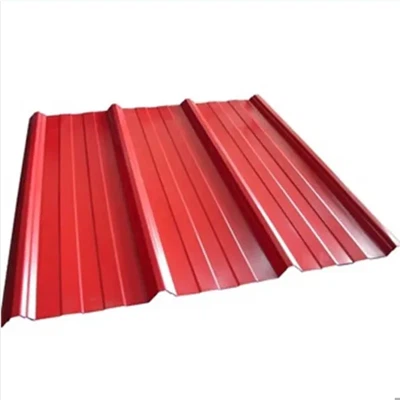
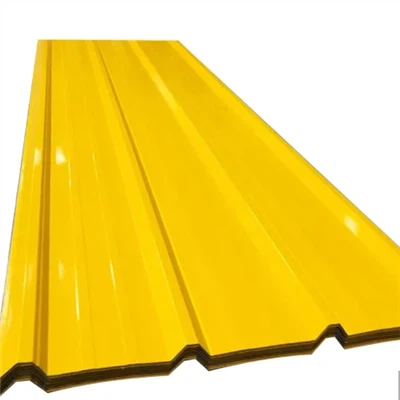
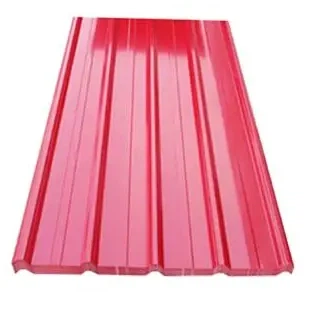
A metal roofing sheet is a roofing system featuring metal pieces or tiles exhibiting corrosion resistance, impermeability to water, and long life. It is a component of the building envelope. The metal pieces may be a covering on a structural, non-waterproof roof, or they could be self-supporting sheets.
Benefits of Metal Roofing Sheet
Life Expectancy
One advantage of metal roofing sheet is how long the roof will last. Metal roofing sheet can last for over 50 years, almost 3 times as long as an asphalt shingled roof. Metal roofing sheet is tough, which also means it is low-maintenance. It is unphased by the elements including; strong winds, intense heat, rain, snow, and rot. Its smooth surface also provides for maximum rain and snow shedding, protecting the structure from snow and rain damage.
Heat Conduction
Metal reflects the rays of the sun, keeping the inside of the building cool during mid-day heat. This allows the air conditioning unit within the building to run easier and save energy and money.
Fire Safety
Metal roofs help to prevent the spread of fire. The roofs are non-combustible and can protect assets from fire, that is spreading from other areas.
Weight
Getting a metal roofing sheet is a relatively lightweight choice compared to other roofing options. Tile can weigh around 750 pounds per square and concrete tile can weigh as much as 900 pounds per square. Most metal roofs weigh between 50-150 pounds per square, putting much less strain on the structure it sits upon than the other roof varieties do.
Fast Installation
Metal roof shingles come in large sizes; between 12 and 36 inches wide. The wide panels, combined with their light weight helps metal roofing sheet installation to run a lot faster and smoother than other options. This means that your structure will be protected as soon as possible.
Saves Money
Although metal roofing sheet prices can initially be higher than other roofing options, they have a high return on investment. Because metal roofs are so durable, they outlast other types of roofing materials. This means that you may have to pay to redo a roof made of other materials 2 or 3 times before it lasts as long as a metal roof. Metal roof repair and upkeep is also cheaper over time due to the roof's ability to resist the elements. These attributes allow for a metal roof to protect a building with minimal maintenance requirements, saving you from roof-repair fees.







Why Choose us
Cutting-edge technology
We Have Excellent Teams Who Focus On Product Development & Design, Quality Control & Inspection And Company Running.
Quality Assurance
We can customize according to yourrequirements, and ensureproduct quality throughsystem technology test.
Expertise
Our team includes qualified and experienced professionals who are experts in their respective fields.
High-quality service
We deliver high-quality service, ensuring that our clients receive value for their investment.
Common Uses and Applications for Metal Roofing Sheet
Commercial Buildings
One of the biggest reasons metal roofing sheet is commonly chosen in commercial applications is due to its superior weather resistance to wind and water, especially in areas where hurricanes or other tropical weather is a concern. Even when the structure isn't in a tropical location, metal roofing sheet gives business and building owners the peace of mind that their roof is destined to last and not need constant upkeep.
Residential Projects
The residential market is booming as homeowners begin to realize that metal roofing sheet will actually save them money in the long run. A lot of homeowners don't think their roof is big enough to warrant a metal roof, but we are here to tell you that the size of your roof doesn't matter. Metal roofing sheet systems can be used on something as small as a shed or mailbox.
There has also been an increase in metal being used as an accent, awning, or as a portion of the roof. Be sure to consult with the manufacturer before a contractor installs two different roofing materials together, as they could potentially react with one another.
Architectural Projects
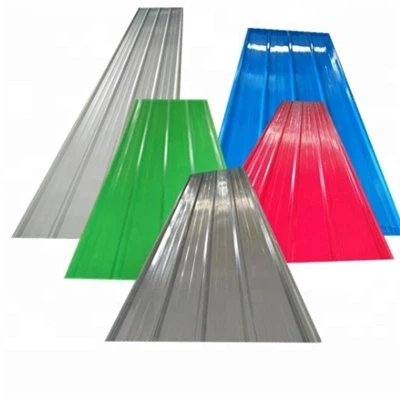
Since metal roofing sheet begins as a metal coil or sheet, it has the ability to be formed and cut into many different shapes, sizes, and lengths. This variety — along with the durability, variety of colors, and eco-friendly qualities — provides architects will many benefits to using metal to create aesthetically pleasing structures.
Structural Uses
Have you ever been inside a warehouse, factory, or other industrial building where you look up and see the roof from the inside? This is a good example of structural metal roofing sheet, which is when metal panels are installed over open framing or on structures that span long lengths and are attached directly to the frame or purlins (additional support beams added to the roof frame).
Agricultural Buildings
Like structural applications, barns and other agricultural buildings are common uses for metal roofing sheet. Agricultural structures traditionally use an exposed fastener or lap seam profile, which is when the ends of the panels overlap each other and have sealant or exposed fasteners holding the two panels together.
Standing Seam – Standing seam metal roofing sheet refers to metal panels interlocked together at the edges to form a seam, which stands vertically. A true standing seam system uses the concealed fastener method of installation, meaning the clips and fasteners are hidden beneath the surface and not visible to the naked eye. This is what sets it apart from all other metal roofing sheet. Standing seam roofing is considered the superior, higher performance choice when compared to exposed fastener metal roofing sheet.
Exposed Fastener – Exposed fastener metal roofing sheet, which is considered the less expensive and more economical choice, is installed with the heads of the fasteners visible on the top of the panels. When an exposed fastener roof is installed, the fastener goes directly through the metal and into the roof deck. Exposed fastener systems are classically used in agricultural or industrial applications.
Stamped Profiles – If you like the look of shingles or more textured surfaces but still want the longevity, cost, and durability metal offers, it's possible with stamped metal profiles. There are many different stamped options to choose from, including:
- Shake
- Shingles
- Tiles
A Full Guide to Metal Roofing Sheet Installation


Apply the underlayment
The first layer on top of the plywood or OSB roof deck is underlayment. For this, we chose a self-healing ice-and-water membrane to protect the shallow-pitched roof deck.
The tricky part in laying the underlayment is keeping it flat and wrinkle-free. Unroll the underlayment across the roof while removing the bottom half of the adhesive backing. Overlap the previous layer by six to eight inches. Once the underlayment is rolled out, cut it flush and pull the rest of the adhesive backing out from underneath.
Order panels to fit
If possible, avoid seams in your roof. They don't look great, and it could lead to water getting underneath the panels.
I had our metal roofing sheet cut to fit the length of our roof. They were nearly 32 feet long and had to be delivered on a flatbed trailer. Of course, you'll need a large lift to hoist the panels on top of the roof. If you don't have one, you'll have to order more manageable lengths.
Bend trim ends closed
Before you install the trim, cut and bend the leading end to wrap it around the corner. Make a series of one-inch cuts with aviation snips at each bend to create tabs. Fold the tabs in with a hand seamer to meet a wall or a corner, or to close a gap created by the trim. Each trim is a different shape, requiring unique cuts and bends.
Fasten eave trim
Install the eave trim tight to the fascia and fasten it to the roof deck over the underlayment with one-inch roofing nails. In warmer climates, the eave is attached before the underlayment. In northern Wisconsin, where ice dams are common, we install these atop the underlayment to protect the entire roof from dams.
Splice and overlap trims
Where two trim ends meet, you'll splice them together. First, cut the bottom hem of the underlapping trim at an angle. After installing the underlapping trim, apply sealant on top. Pry open the bottom hem of the overlapping trim and slide it over the angle-cut hem of the underlapping trim.
Snap a square reference line
A square reference line is important for installing roofing panels evenly. Use the 3-4-5 method to establish a reference line 90 degrees to the eave.
First, make a mark along the eave three feet (or any multiple of three) from the corner. At that mark, measure four feet (or the same multiple of four) toward the ridge. Then, from the original corner, measure five feet (or the same multiple of five) and mark where it intersects the second mark.
Snap a line from the first three-foot mark through the intersection of the second and third marks.
Set the panels
Place each metal roofing sheet on an inside foam closure strip. These strips are shaped to fit the corrugated underside of the panel and keep bugs and water from getting underneath.
Position the closure strips along the eave about one inch from the edge and stick them to the panels with butyl tape. Run a bead of sealant on top of the closure strip, then set your panel so it overhangs beyond the eave by one inch. Adjust the panel so any measurement from it to the reference line is the same at the top and bottom.
Drive screws just right
Fastening the panels just right is the key to a watertight roof. Here is what you should know:
- At the eave, place screws on both sides of every rib and lined up to go through the foam closure strip.
- Each row should be spaced no more than 24 inches with one screw at each rib on the overlapping side.
- Start at the bottom, fastening across the panel in rows, working toward the ridge.
- Drive screws to seat flat on the roof; a crooked screw won't seal.
- Don't over-tighten or under-tighten. Tighten just enough to compress the rubber gasket to the edge of the screw head, not past it.
- Clean up any metal shavings or burrs right away. They will rust.
Overlap the panels
The two edges of the metal roofing sheet are different. The edge that overlaps has a shorter rib leg that doesn't contact the roof surface when laid flat. The rib on the underlapped side has a drainage or anti-siphon channel to keep water moving toward the eave. Overlap the last rib on each panel; they should nest together perfectly.
Cover the rake edge
After all the panels are fastened, it's time to attach the gable trim. This cleans up the edge of the panel and keeps rain and snow from getting under the roof panels and siding.
After you bend the end of the trim to meet the corner at the eave, apply butyl tape on the underside of the trim where it lands on the flat part of the roof panels. Press it in place and drive screws every 12 inches right over the butyl tape.
Secure the ridge cap
To cap the roof, adhere a line of outside closure strips with butyl tape four inches from the top of the peak; this is where you'll fasten the ridge cap to the roof with screws. Apply a bead of sealant on the foam closure, then fit the ridge cap on the peak and fasten with two-inch screws to the roof deck through every rib.
With the cap of the roof complete, all the water that lands on the roof will exit the roof without ever touching the underlayment.
Installation: The fastening of your metal roof to your house can affect how long it lasts. A standing seam metal roof can last longer than a screw-down panel one because it allows the panels to expand and contract as the temperature changes. If the roofing contractor installed your metal roof incorrectly, you could expect to find damage on your roof soon.
Paint finish: The coat of paint protects your metal roofing panels from the elements, but if you find any paint chips or damage on the coating, your metal roof's lifespan might be cut short.
Local weather conditions: Even though metal roofing sheet can withstand the elements, they're not entirely resistant to harsh weather conditions. Metal panels can dent from the impact of hail and snow, and fluctuating temperatures could cause the metal to expand and contract.
Our Certificates

Our Factory
Shandong Hengjia Haya Building Materials Ltd. Was Founded In 2004 Year And Is Located In Zibo City, Shandong Province. We Have A General Investment Of 15 Millions And A Area Of More Than 7000 Square Meters, And More Than 20 Production Lines.
As A Professional Build Materials Supplier,Our Main Products Are Color Coated Steel Sheet, E P S / Rockwool / P U Sandwich Panels,Steel Structures, C / Z Purlins And All Kinds Of Steel Coils.
We Have Excellent Teams Who Focus On Product Development & Design, Quality Control & Inspection And Company Running. We Have Built A Modern Quality Management System Which Is In Strict Accordance With International Standards, We Have A Rang Of Well- Established Long- Term Relationships With Many Domestic Steel Companies .

Asked Questions
We're professional metal roofing sheet manufacturers and suppliers in China, specialized in providing high quality customized products. We warmly welcome you to buy high-grade metal roofing sheet for sale here from our factory. For price consultation, contact us.
Roofing Steel Sheet, Prepainted Steel Sheet, 0 4mm Thickness Steel Sheet